
Why Balanced Meals Matter
Eating well doesn’t have to be complicated. A balanced meal gives your body the fuel it needs to stay energized, focused, and healthy throughout the day. When you consistently combine the right nutrients in the right proportions, you support everything from muscle repair to brain function.
The good news is that you don’t need to count every calorie or follow a rigid diet plan. You just need a simple framework that you can apply to any plate, whether you’re cooking at home or eating out.
The Five Components of a Balanced Meal
Every balanced meal is built from five core components. Think of them as the building blocks that work together to keep you full and nourished.
1. Protein
Protein is essential for repairing tissues, building muscle, and keeping you satisfied between meals. Aim to fill about a quarter of your plate with a quality protein source.
Examples include:
- Chicken, turkey, or lean beef
- Fish and seafood
- Eggs
- Tofu, tempeh, or edamame
- Beans, lentils, and chickpeas
- Greek yogurt or cottage cheese
If you’re active or trying to build muscle, you may want to lean toward the higher end of your protein portions.
2. Vegetables and Fruits
Produce should take up roughly half of your plate. Vegetables and fruits provide fiber, vitamins, minerals, and antioxidants that support immune health and digestion.
Aim for variety in color. Dark leafy greens, bright bell peppers, berries, carrots, and broccoli all bring different nutrients to the table. Frozen and canned options work just as well as fresh, as long as you watch for added sugars or heavy sauces.
3. Complex Carbohydrates
Carbohydrates are your body’s preferred source of energy. The key is choosing complex carbs that digest more slowly and keep your blood sugar steady.
Good options include:
- Brown rice or quinoa
- Whole wheat pasta or bread
- Oats
- Sweet potatoes or regular potatoes
- Barley, farro, or bulgur
About a quarter of your plate should be reserved for these energy-providing foods.
4. Healthy Fats
Fat helps your body absorb certain vitamins and supports brain health. You don’t need a lot, but including a small amount with each meal makes a big difference.
Healthy fat sources include:
- Avocado
- Olive oil or avocado oil
- Nuts and seeds
- Nut butters
- Fatty fish like salmon
A drizzle of olive oil on vegetables, a sprinkle of seeds on a salad, or a few slices of avocado are easy ways to include healthy fats without overdoing it.
5. Water or a Low-Sugar Beverage
Hydration is often overlooked when people think about balanced meals. Water supports digestion, nutrient transport, and appetite regulation. Pair your meal with water, sparkling water, unsweetened tea, or another low-sugar drink.
A Simple Plate Method to Follow
One of the easiest ways to build a balanced meal without measuring or weighing anything is the plate method.
- Fill half your plate with vegetables and fruit.
- Fill one quarter with a protein source.
- Fill the final quarter with complex carbs.
- Add a thumb-sized portion of healthy fat.
- Drink water or another low-calorie beverage.
This visual guide works for most people and takes the guesswork out of portion sizes. It’s flexible enough to apply to nearly any cuisine, from stir-fries to taco bowls to pasta night.
Common Mistakes to Avoid
Even with a solid framework, a few common pitfalls can throw off your balance.
Making Carbs the Star
Large portions of pasta, rice, or bread crowd out vegetables and protein. Flip the ratio so that produce takes center stage and carbs play a supporting role.
Forgetting About Fat
Going too low in fat can leave you hungry soon after eating. Include a modest amount of healthy fat at each meal, even if it’s just a small handful of nuts.
Drinking Your Calories
Sugary sodas, juices, and sweetened teas add calories without filling you up. Stick with water or unsweetened drinks most of the time.
Eating Too Quickly
It takes about 20 minutes for your brain to register fullness. Slow down, chew thoroughly, and give your body time to signal when it’s satisfied.
Simple Balanced Meal Ideas
Need inspiration? Here are a few beginner-friendly combinations:
- Breakfast: Greek yogurt with berries, a sprinkle of granola, and chia seeds
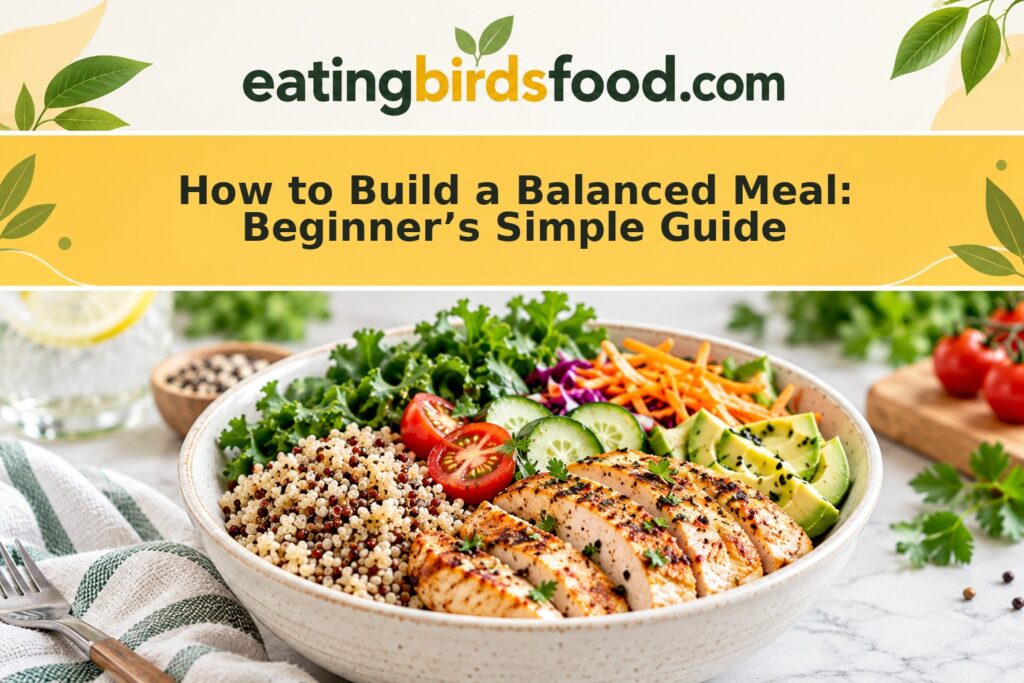
- Lunch: Grilled chicken salad with mixed greens, cherry tomatoes, cucumber, quinoa, and olive oil dressing
- Dinner: Baked salmon, roasted sweet potatoes, and steamed broccoli with a side of avocado
- Snack: Apple slices with peanut butter or hummus with carrot sticks
These examples show that balance doesn’t require fancy ingredients or complicated recipes.
Start Small and Stay Consistent
Building balanced meals is a skill, not a rulebook. Start by applying the plate method to one meal a day. Pay attention to how your energy and hunger levels shift. Over time, assembling a balanced plate will feel automatic.
Perfection isn’t the goal. Consistency is. Even a few balanced meals each week can have a meaningful impact on how you feel.